


How Much Sun Pumps Solar: Decoding Solar-Powered Water Systems

Table of Contents
The Sunlight-Pump Connection: Why Every Photon Counts
You've installed shiny new solar panels for your water pump, but the flow seems... inconsistent. Why? Because solar pumps don't just need some sun – they need the right amount of sunlight photons hitting those panels to overcome water pressure and friction. It's not magic; it's physics. The equation is simple: More sunlight = more electrons = stronger water flow. But how much is "enough"?
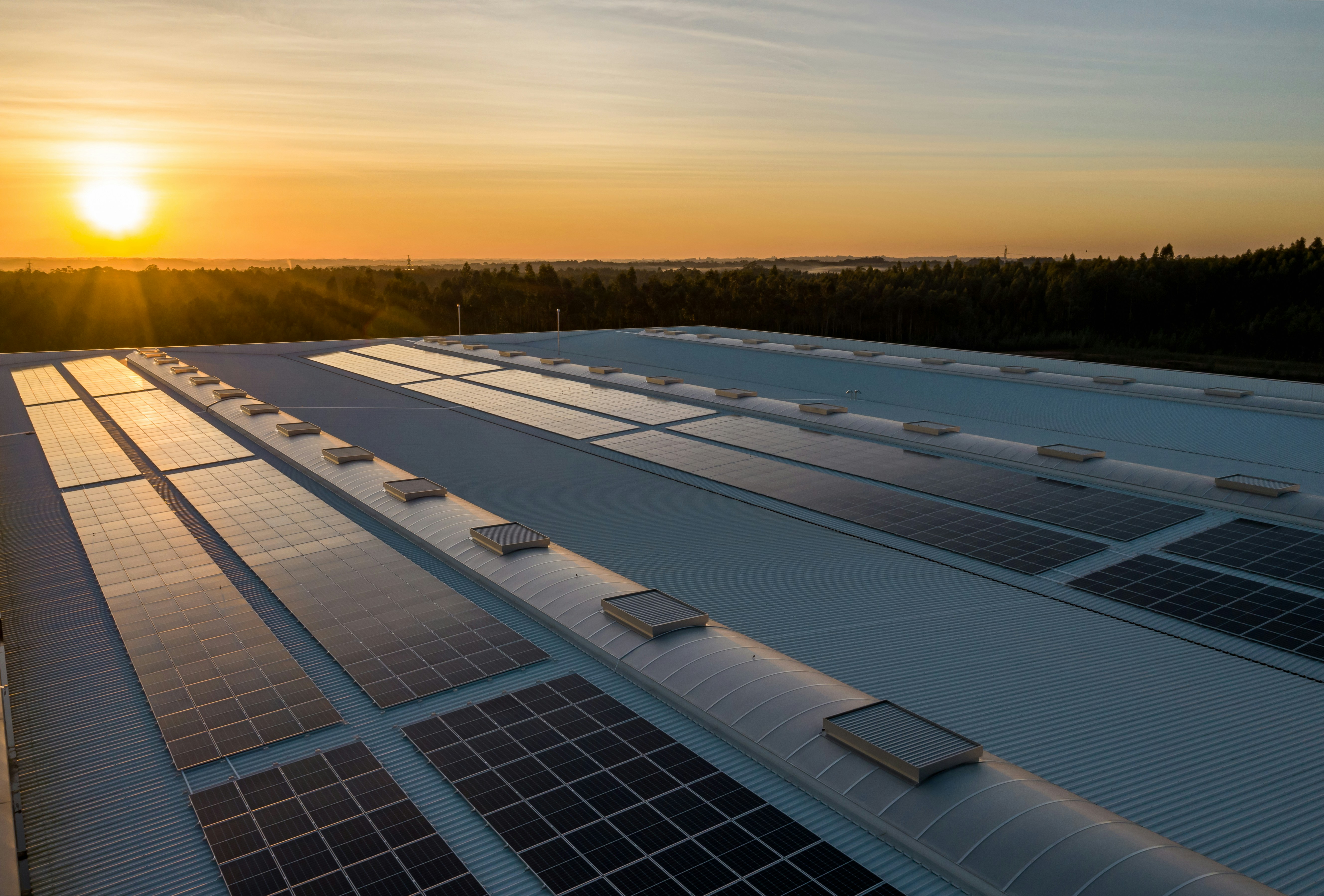
Image: Solar-powered irrigation system in Spain (Source: Unsplash)
Sunlight Requirements by the Numbers
Let's break down the science with real thresholds:
| Pump Type | Minimum Sunlight (W/m²) | Optimal Sunlight (W/m²) | Water Output Impact |
|---|---|---|---|
| Surface Pumps | 200 | 500+ | Flow rate drops 60% below minimum |
| Submersible Pumps | 300 | 600+ | Head pressure reduces 50% at threshold |
European farms face special challenges – Germany averages just 3.8 peak sun hours/day compared to California's 6.2 (Global Solar Atlas). That's why location-specific design matters. As our lead engineer puts it: "A pump sized for Seville will struggle in Scotland without intelligent storage."
Case Study: The California Vineyard Revolution
Napa Valley's Suncrest Vineyards faced irrigation headaches until their solar pump transformation:
- Challenge: 5-horsepower diesel pump consuming $1,200/month in fuel
- Solution: 8kW solar array + DC surface pump system
- Results:
- Water flow maintained at 500W/m² sunlight intensity
- Zero diesel costs after 18-month ROI
- 30% flow increase during peak sun hours
The secret? Their SolarSync controller dynamically adjusts pump speed to available sunlight – a technology now standard in Highjoule's agricultural systems.
Beyond Daylight: 24/7 Pumping Solutions
Here's where innovation shines. At Highjoule Technologies, we've solved the "cloudy day problem" with integrated battery storage. Our HydraStore BESS (Battery Energy Storage System) works like a water bank for electrons:
- Stores excess solar energy during peak hours
- Maintains pump operation down to 100W/m² sunlight
- Extends daily pumping window by 4-7 hours
For commercial applications like the Highjoule GridShare system, farms can even sell surplus energy back to utilities during non-pumping hours. That's sustainability that pays dividends.
Maximizing Your Solar Pump Efficiency
Through 18 years of field experience across 12 countries, we've identified three non-negotiables:
- Panel Tilt = Water Spilt (Adjust seasonally using EU Commission's calculator)
- Battery Buffer Ratio (1kWh storage per 300W solar for continuous operation)
- Pressure Matching (DC pumps perform 30% better than AC at partial sun)
When Clouds Roll In: Your Backup Plan
Our residential EcoPulse Hybrid systems automatically switch to grid power only when absolutely necessary – typically adding less than €10/month to bills in Germany. For off-grid applications, the new MicroGrid Commander can integrate wind or generator backups.
The Future of Solar Pumping
With new perovskite solar cells achieving 25% efficiency in low light (Nature Energy 2023), we're entering an era where "how much sun" becomes less critical. But until then...
What's your biggest solar pumping challenge – initial cost, reliability, or system complexity? Our design team offers free site assessments to turn sunlight into water, guaranteed.
Related Contents

Unlocking Solar Potential: Panel Solar Bifacial 615W TOPCon N-Type JA Solar Revolution
Picture traditional solar panels soaking up sunlight only from their front side - now imagine panels harvesting energy from both sides. That's the magic of bifacial technology! Unlike conventional modules, these double-sided wonders capture:

LCD Solar Panel How Much? Decoding Costs and Value in Modern Solar Solutions
You're considering solar panels for your property, and that burning question pops up – "LCD solar panel how much?" You're not alone! Across Europe and North America, homeowners and businesses are racing to harness the sun's power. But here's what's fascinating: while everyone focuses on upfront costs, the real story is how liquid crystal display (LCD) technology is revolutionizing solar efficiency. Unlike traditional panels, LCD-integrated systems use smart light-redirection layers to boost energy capture by 15-22%, especially in low-light conditions common in Northern Europe. This isn't just about panels on a roof; it's about squeezing every drop of energy from available sunlight.

Unlocking Solar Potential with Battery Energy Storage Systems for Solar
You've installed solar panels on your rooftop, excited to harness the sun's free energy. But when clouds roll in or night falls, your power supply vanishes. This intermittent nature of solar energy is a common headache for homeowners and businesses across Europe and the US, leading to wasted potential and unreliable electricity. That's where a battery energy storage system for solar steps in—acting as a powerful backup to store excess solar energy for later use. Think of it as a smart "solar bank" that ensures you have clean power 24/7. At Highjoule Technologies Ltd., we've seen how these systems transform energy independence, and in this article, we'll explore why they're essential for a sustainable future. Let's dive in!
 Inquiry
 Online Chat