


Will Solar Panels Get Cheaper in 2024? A Market Analysis

Table of Contents
The Current Price Trajectory
You're considering solar for your home or business, but that upfront cost feels daunting. Here's the good news – solar panels have dropped 89% in price since 2010 according to BloombergNEF. Now the big question is: will solar panels get cheaper in 2024? All signs point to "yes," but let's unpack why.
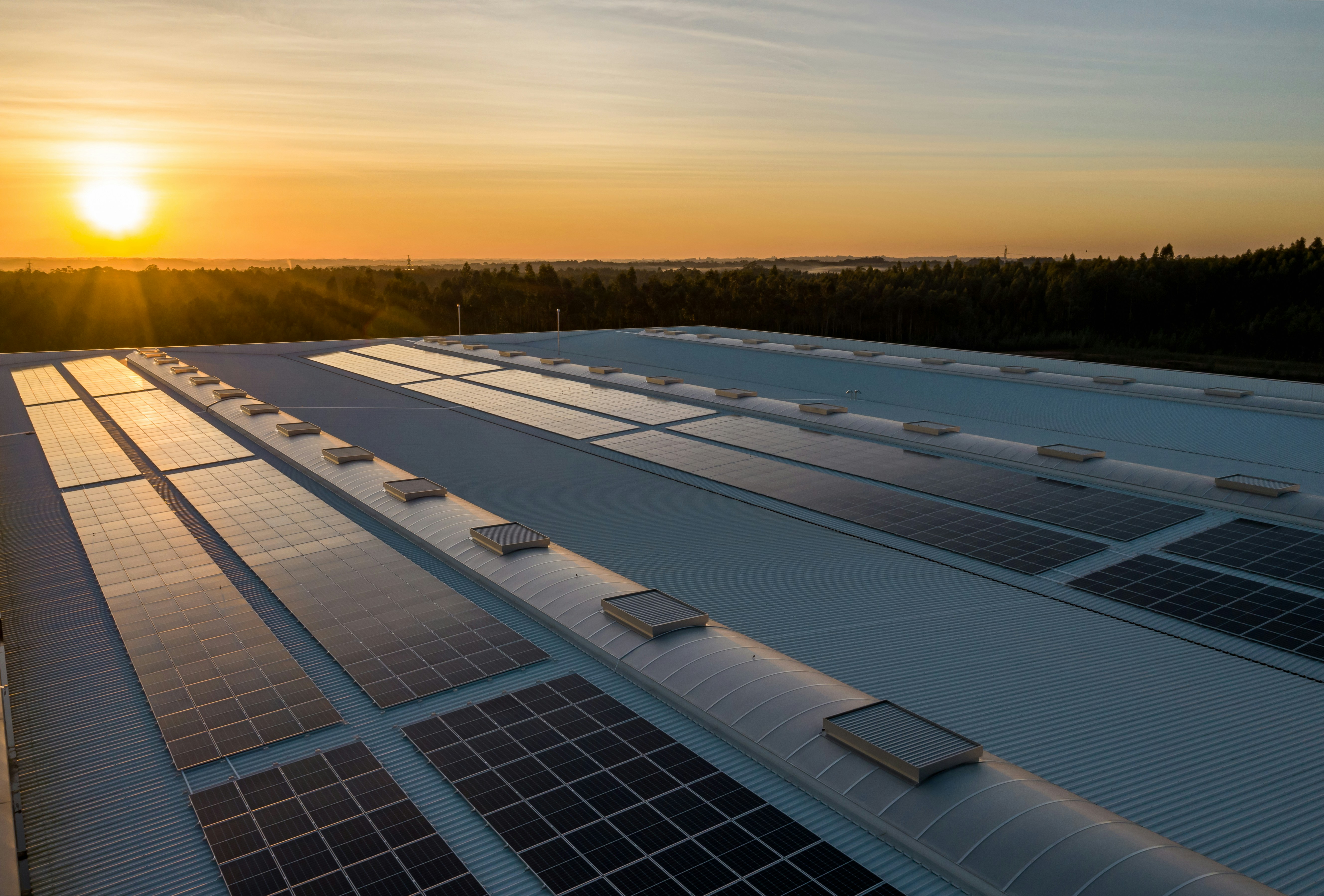
Image source: Unsplash (Creative Commons)
Key Factors Driving Costs Down
Three major forces are accelerating the price decline:
- Manufacturing Scale: Global production capacity is expected to hit 1,200 GW by end-2024 – that's 40% growth in 18 months!
- Policy Catalysts: The US Inflation Reduction Act and EU Green Deal are injecting billions into supply chains
- Material Innovations: Perovskite-silicon tandem cells entering production could boost efficiency while lowering material costs
European Market Spotlight: Germany's Solar Boom
Let's examine real-world data from Europe's solar leader. Germany installed 7.2 GW of solar in H1 2023 – a 78% YoY increase. Why? Because module prices fell below €0.18/W for utility-scale projects. With new EU solar manufacturing initiatives, this trend will intensify through 2024.
| Market | 2022 Avg. Price/Watt | 2024 Projection | Decline Factor |
|---|---|---|---|
| Residential (EU) | €0.25 | €0.21 | 16% drop |
| Commercial (US) | $0.19 | $0.15 | 21% drop |
Technology Innovations Changing the Game
At Highjoule Technologies, we're seeing how next-gen tech impacts prices:
- Thin-film panels now achieve 23% efficiency at 30% lower production cost
- AI-driven manufacturing reduces silicon waste by up to 40%
- Modular designs like our SolarTile MAX cut installation time (and cost) by 50%
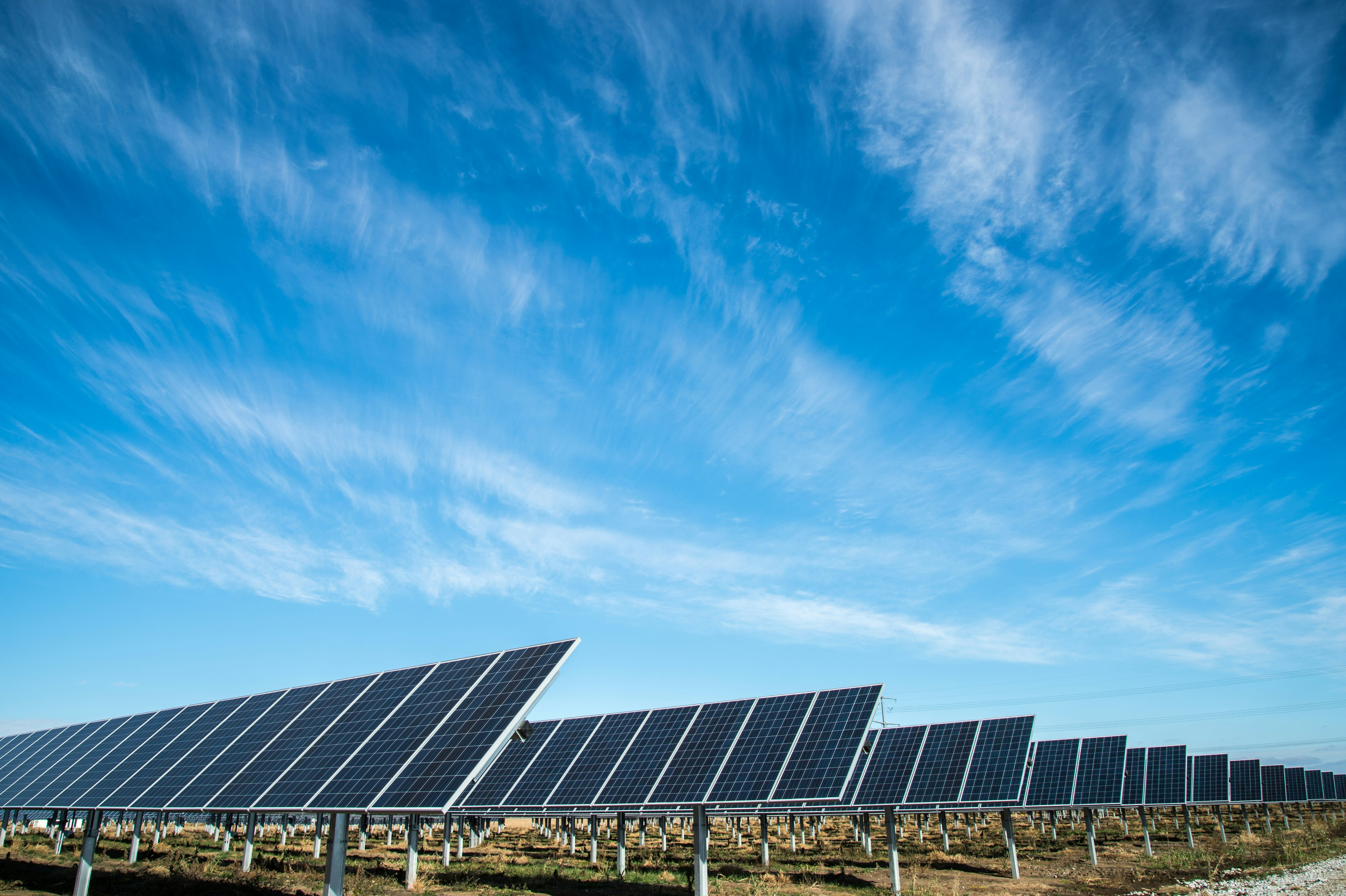
Image source: Unsplash (Creative Commons)
Why Storage Matters More Than Ever
Here's what many miss: cheaper panels make storage essential. When your panels produce excess midday power, our GridSynergy battery systems capture it for peak evening use. This combo delivers ROI 2-3 years faster than solar alone. Consider this California case:
- 200-kW commercial system + 500kWh storage
- 2022 installation: 7-year payback period
- 2024 projection: 4.5-year payback
The Highjoule Advantage
Since 2005, we've specialized in integrated solutions where falling panel prices create opportunities. Our EnergyHub OS dynamically manages:
- Real-time consumption patterns
- Grid price fluctuations
- Weather-adaptive charging
This turns price reductions into tangible savings – something our Munich hospital client achieved by cutting energy costs 63% despite Germany's volatile markets.
What's Your Biggest Solar Concern?
As you consider 2024's opportunities, what barrier feels most challenging – upfront costs, storage sizing, or grid integration? Our team designs solutions around these exact pain points.
Related Contents

Unlocking Solar Power's Potential: How Solar Panels and Solar Energy Storage Cabinets Transform Renewable Energy
Image: Integrated solar and storage system (Source: Unsplash/Photographer Name)

Where Do I Buy Solar Panels: Your Ultimate Guide to Smart Solar Shopping
Feeling overwhelmed by rising electricity bills and eager to reduce your carbon footprint? You're not alone. Across Europe and the US, millions are asking: "Where do I buy solar panels?" The answer isn't just about finding a vendor—it's about securing a reliable, efficient system that transforms sunlight into real savings. Let’s illuminate your path to solar ownership.

The Best Hail Resistant Solar Panels: Safeguard Your Solar Investment
Imagine you've invested in a solar array, only to watch a sudden hailstorm turn it into a field of shattered glass. It's not just a nightmare scenario—it's a real threat across Europe and the US. That's why finding the best hail resistant solar panels isn't a luxury; it's essential for protecting your energy future. In this article, we'll explore how advanced technology can shield your system from nature's fury, backed by hard data and real stories. Let's dive in!
 Inquiry
 Online Chat