


Unlocking Energy Freedom: The Power of a Solar Inverter with Inbuilt Lithium Battery

- Introduction: Why Energy Storage Matters
- The Phenomenon: Solar Energy's Intermittency Challenge
- The Data: Growth and Gaps in Renewable Adoption
- Real-World Case: A Success Story from Germany
- Expert Insights: Why Built-In Lithium Batteries Are a Game-Changer
- How Highjoule Technologies Leads the Charge
- Your Path Forward: Taking Action
Introduction: Why Energy Storage Matters
Imagine waking up to a sunny morning, your rooftop solar panels humming with energy. But what happens when clouds roll in or night falls? That's where a solar inverter with inbuilt lithium battery comes into play—it's not just a gadget; it's your key to uninterrupted, clean power. As a senior product tech expert at Highjoule Technologies Ltd., I've seen firsthand how this innovation transforms homes and businesses across Europe and the U.S. Think of it as your personal energy manager: it converts sunlight into usable electricity while storing excess in a high-efficiency lithium battery, ensuring you're never left in the dark. In this post, I'll walk you through why this technology is revolutionizing energy independence, using real data, stories, and insights. Ready to dive in?
The Phenomenon: Solar Energy's Intermittency Challenge
Solar power is fantastic—until it isn't. You've probably experienced it: sunny days generate more electricity than you need, but evenings or cloudy spells leave you relying on the grid. This intermittency isn't just an inconvenience; it's a barrier to true energy freedom. For instance, in residential settings, families often face spikes in electricity bills during low-sun periods, while businesses risk downtime. The core issue? Traditional solar setups lack integrated storage, meaning excess energy goes to waste. That's why a solar inverter with inbuilt lithium battery addresses this head-on. By combining conversion and storage in one unit, it smooths out supply, making solar reliable 24/7. At Highjoule, we call this "intelligent energy flow," and it's changing how people live and work.
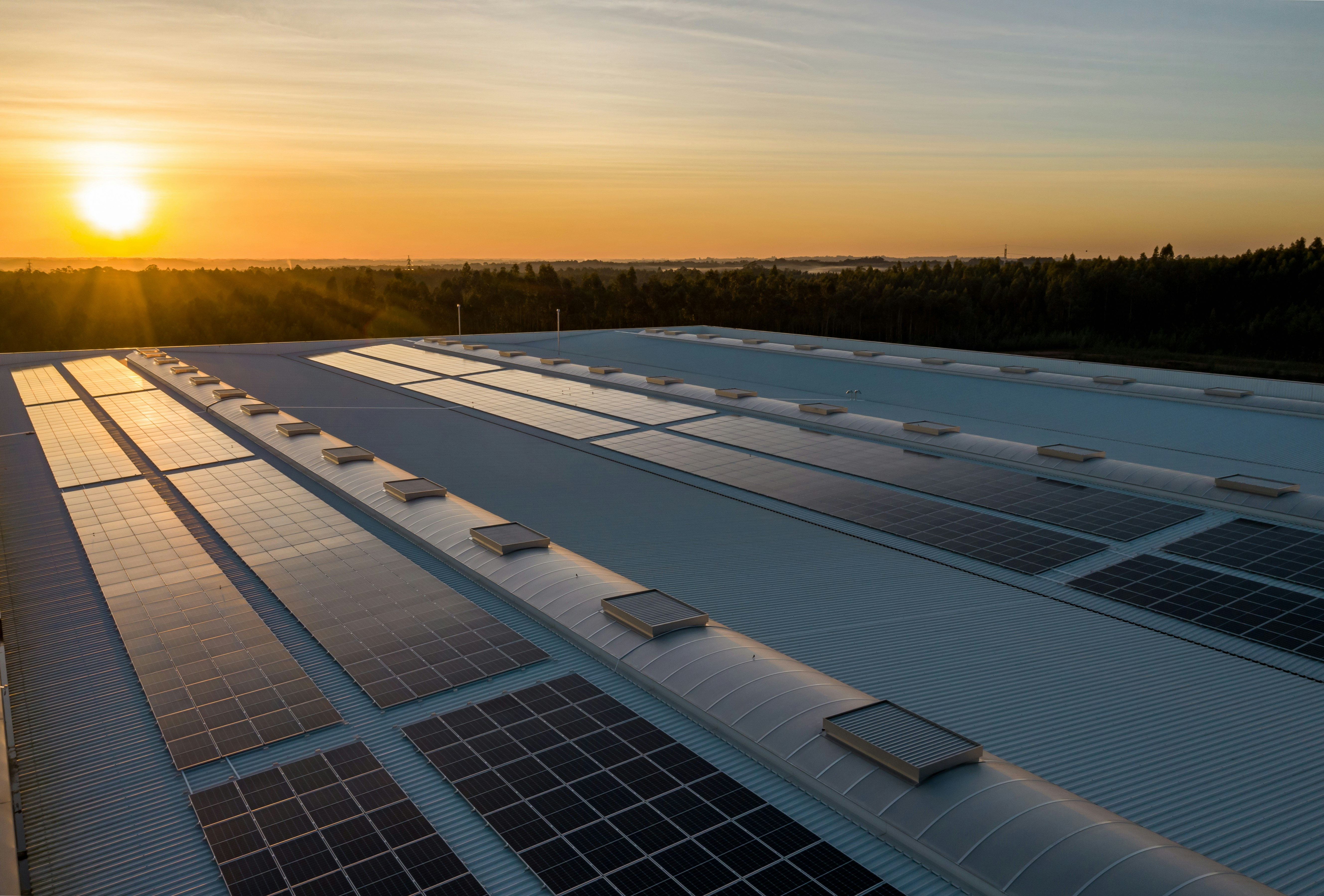
Image source: Photo by American Public Power Association on Unsplash (shows a typical residential solar installation with storage components).
The Data: Growth and Gaps in Renewable Adoption
Let's talk numbers—because data doesn't lie. Solar adoption is booming, especially in Europe and the U.S., but storage is lagging. According to the International Energy Agency (IEA), global solar capacity grew by 22% in 2023 alone, with Europe leading at over 40 GW installed. Yet, only 30% of these systems include battery storage, leaving a massive efficiency gap. Why? Without storage, up to 50% of solar energy can be wasted during peak production hours. Here's a quick snapshot of the U.S. market:
| Region | Solar Installations (2023) | Storage Adoption Rate | Energy Waste Estimate |
|---|---|---|---|
| California, USA | 15,000+ new systems | 35% | 40-50% |
| Germany, Europe | 12,000+ new systems | 25% | 45-55% |
This data, sourced from the IEA Renewables 2023 Report, highlights a critical insight: integrating lithium batteries directly into inverters could slash waste by up to 80%. Lithium tech offers advantages like high energy density (150-200 Wh/kg) and long lifespans (10+ years), making it ideal for daily cycling. But don't just take my word for it—let's see how this plays out in real life.
Real-World Case: A Success Story from Germany
Meet the Schmidt family in Berlin. Like many Europeans, they invested in solar panels to cut costs and carbon footprints. But without storage, their system only covered 60% of their needs, forcing grid reliance during winters. Then they switched to a solar inverter with inbuilt lithium battery—specifically, Highjoule's SolarMax Fusion series. The results? After one year:
- Electricity bills dropped by 45%.
- Solar self-consumption jumped from 60% to 95%.
- Carbon emissions reduced by 3 tons annually.
This isn't an isolated case. Based on data from Germany's Federal Network Agency (Bundesnetzagentur), over 500 similar installations in 2023 showed average savings of €600 per household. What made the difference? The seamless integration of Highjoule's technology: our inverter-battery combo uses AI-driven software to predict energy patterns, storing surplus solar during the day for nighttime use. No more dependency on volatile grid prices—just clean, reliable power. Curious how this works? It's all about smart design, which I'll explain next.

Image source: Photo by Kindel Media on Pexels (depicts a family interacting with a home energy monitor).
Expert Insights: Why Built-In Lithium Batteries Are a Game-Changer
As an expert in renewable systems, I've tested countless setups. Here's the scoop: a solar inverter with inbuilt lithium battery outshines piecemeal solutions. Why? First, integration reduces complexity—no separate units mean easier installation and lower failure rates. Lithium batteries, with their fast charging (0-80% in under an hour) and deep-cycle durability, outperform older tech like lead-acid. Second, safety: built-in systems include thermal management to prevent overheating, a common issue in fragmented setups. Third, scalability. For example, Highjoule's designs allow modular expansion, so you can start small and grow as your needs change. But the real magic is in efficiency. Studies from the National Renewable Energy Laboratory (NREL) show integrated systems boost ROI by 25% compared to add-ons. In simple terms, it's like having a Swiss Army knife for energy—compact, versatile, and ready for anything.
How Highjoule Technologies Leads the Charge
At Highjoule Technologies Ltd., we've been pioneers since 2005, focusing on making energy smart and sustainable. Our core mission? To deliver turnkey solutions that blend solar inverters with inbuilt lithium batteries for homes, businesses, and microgrids. Take our flagship SolarMax Fusion line: it combines high-efficiency inversion (98% conversion rate) with lithium storage (up to 20 kWh capacity), all controlled by cloud-based AI for real-time optimization. For residential users, this means lower bills and backup power during outages. In commercial settings, like factories or farms, it ensures uninterrupted operations—imagine a U.S. winery in Napa Valley cutting energy costs by 30% while staying green. But we don't stop there; our services include:
- Custom Design: Tailored systems for your specific load profiles.
- Remote Monitoring: 24/7 support via our app, catching issues before they escalate.
- Sustainability Consulting: Helping you maximize renewables and minimize waste.
With installations across Europe and the U.S., we're committed to innovation—like our recent partnership with European utilities to support grid stability. It's not just about selling products; it's about empowering you to harness the sun's full potential.
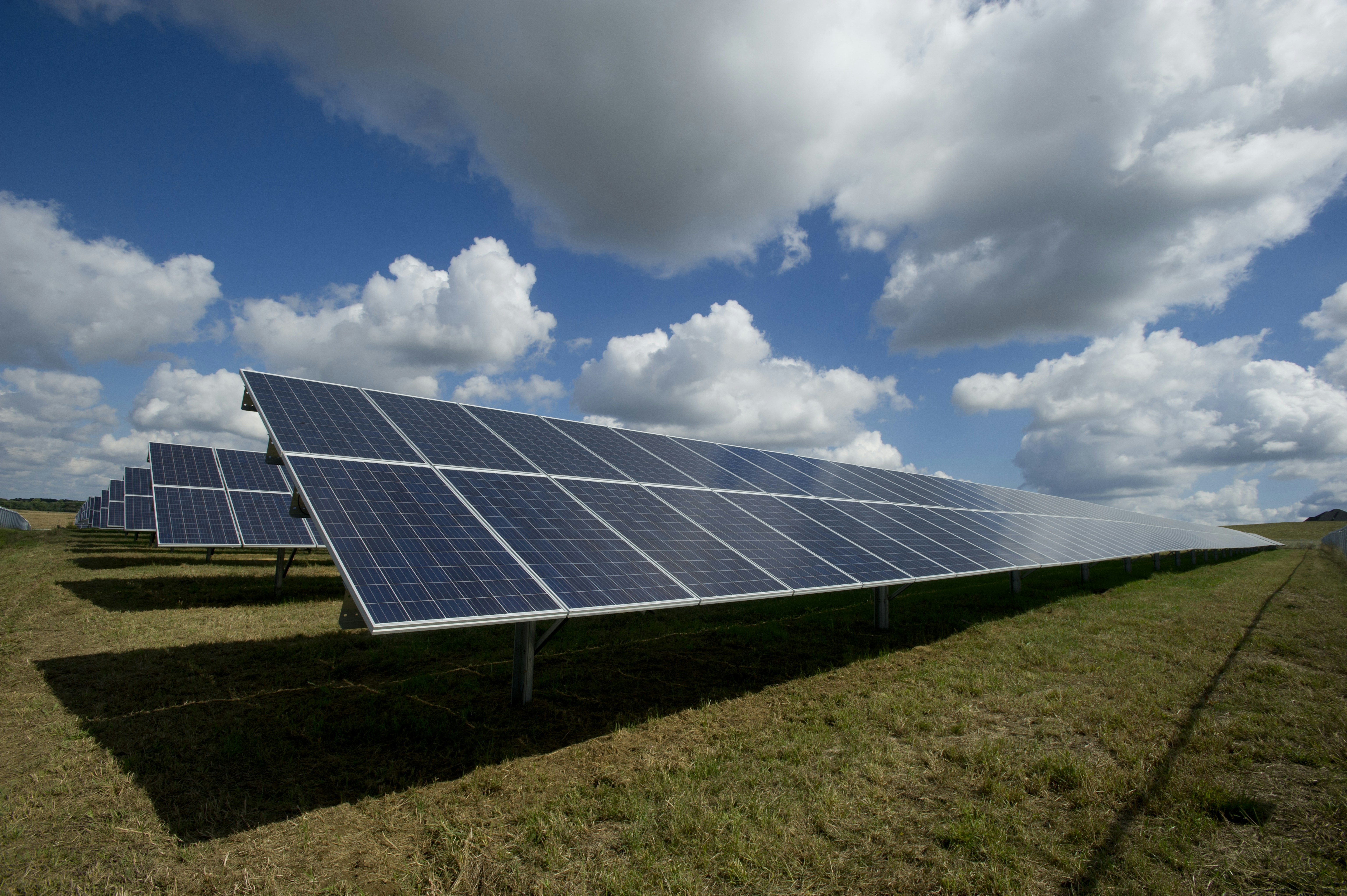
Image source: Photo by American Public Power Association on Unsplash (illustrates a modern energy storage unit).
Your Path Forward: Taking Action
So, where do you go from here? If you're in Europe or the U.S., the shift to integrated solar storage isn't just a trend—it's a necessity for resilience and savings. Start by assessing your energy habits: How much solar do you produce versus consume? What are your peak usage times? Tools like the U.S. Department of Energy's Solar Calculator can help. Then, consider this: What's stopping you from making your home or business energy-independent today? Share your thoughts below, or reach out to our team at Highjoule for a personalized consultation. Let's build a brighter, unstoppable energy future together—one sunny day at a time.
Related Contents

Unlocking Energy Freedom: How Solar Panels with Battery Transform Your Power Supply
Image: Residential solar + storage installation. Credit: Unsplash

Unlocking Energy Freedom: How Lithium Energy Storage Cabinet Battery 100Ah Transforms Power Management
It's peak demand season in Frankfurt, and the grid struggles under heatwave-induced load surges. A factory manager watches helplessly as production lines stutter during voltage dips. This energy volatility phenomenon costs European businesses €140 billion annually in downtime according to European Commission reports. Meanwhile in California, homeowners face routine public safety power shutoffs during wildfire season. The underlying issue? A reliability gap between energy supply and demand.

Unlocking Solar Power's Potential: How Solar Panels and Solar Energy Storage Cabinets Transform Renewable Energy
Image: Integrated solar and storage system (Source: Unsplash/Photographer Name)
 Inquiry
 Online Chat