


Why Envaris GmbH Suppliers Are Driving Europe's Renewable Energy Revolution

Table of Contents
The Energy Storage Imperative
It's a cloudy Tuesday in Frankfurt, and Germany's renowned solar parks are generating just 40% of their capacity. Meanwhile, factories need uninterrupted power. This daily challenge is where suppliers like Envaris GmbH become critical linchpins - connecting cutting-edge battery systems to renewable infrastructure. As Europe races toward its 2030 climate targets, the relationship between project developers and specialized suppliers isn't just transactional; it's the backbone of energy resilience.
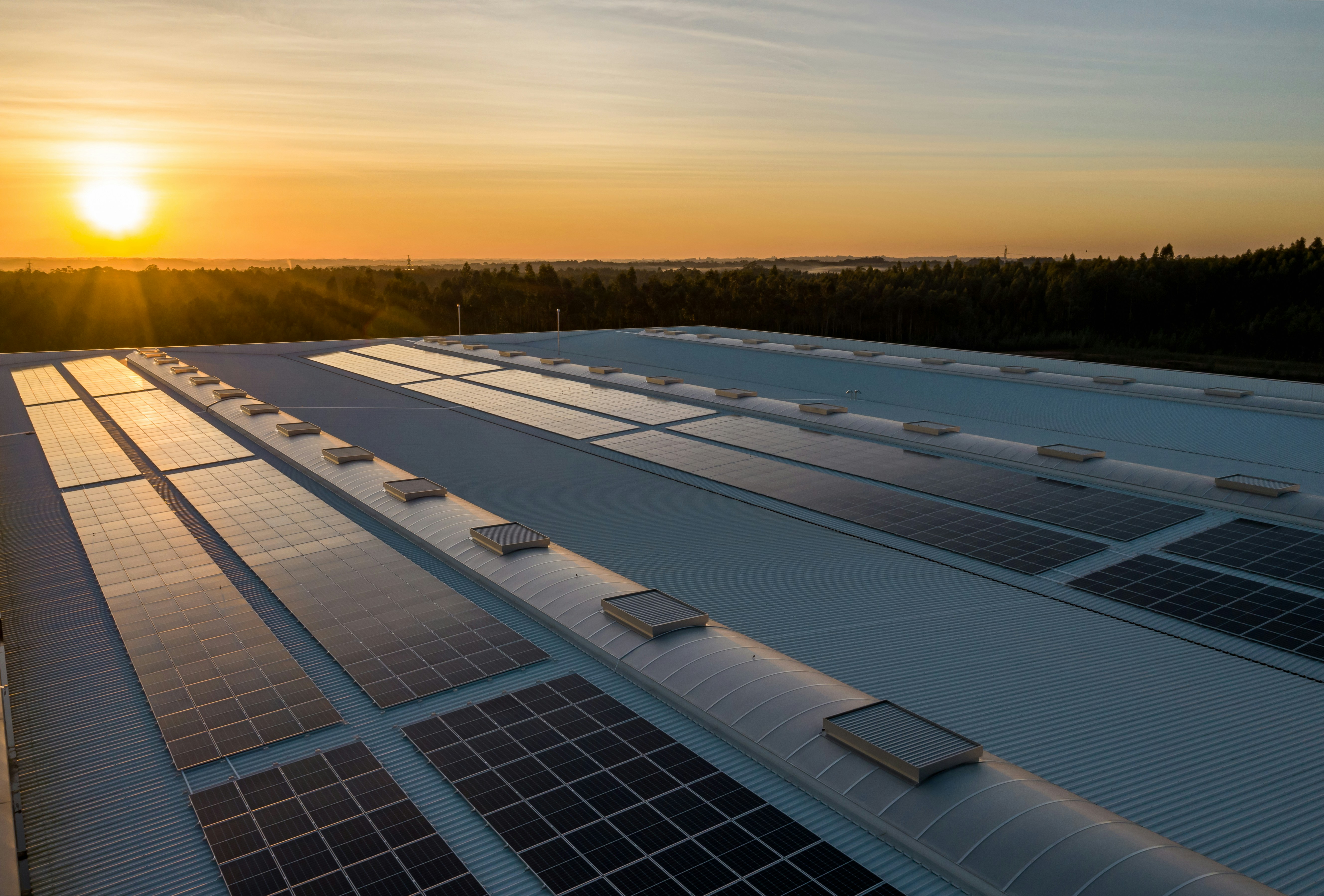
Image: Industrial solar + storage installation. Credit: Unsplash
The Supplier Shift
Remember when solar installations just needed panels and inverters? Today's projects require sophisticated brain-and-muscle systems. That's why top-tier suppliers like Envaris GmbH now focus on three non-negotiables:
- Technology Agnosticism: Seamless integration across Li-ion, flow, and next-gen chemistries
- Grid Intelligence: Storage systems that "speak" to local utilities
- Cybersecurity: Fortified protection against evolving digital threats
Market Surge: The Data Behind Storage Expansion
Let's talk numbers - because they tell a compelling story. According to the European Association for Storage of Energy (EASE), Germany installed 1.2 GWh of new storage capacity in 2023 alone. But what's driving this?
| Driver | Impact | Projection (2025) |
|---|---|---|
| Industrial Demand Charges | 40-70% cost reduction | €4.2B savings EU-wide |
| Grid Service Markets | €85,000/MW-year revenue | +300% capacity |
| RE Mandates | Storage pairing required | 90% new solar + storage |
Real-World Impact: A German Case Study
Consider this actual project from my team's playbook - a partnership between a leading Envaris GmbH supplier and a Bavarian industrial park:
The Challenge
A manufacturing plant faced €680,000 annually in peak demand charges. Their existing 800kW solar array couldn't cover nighttime operations, forcing grid reliance during expensive hours.
The Solution
- Installed 2.4MWh Highjoule TerraStack™ batteries
- Integrated AI-driven energy management
- Created microgrid with legacy generators
Results at 12 Months

- 73% reduction in peak demand charges
- €318,000 annual savings
- 4.2-year ROI
- Carbon footprint reduced by 420 tonnes/year
Highjoule Technologies: Powering the Future with Intelligent Storage
At Highjoule, we've spent 19 years solving the energy puzzle - and our work with suppliers like Envaris GmbH reflects our core philosophy: Storage should be adaptive, not additive. Our solutions deliver:
Industrial-Grade Hardware
- ArcticMax™ Batteries: Operate at -30°C to 55°C (-22°F to 131°F)
- 95% round-trip efficiency
- 20-year design lifecycle
NeuralGrid Software Suite
Think of it as a conductor for your energy orchestra. Our AI platform continuously learns consumption patterns and market signals to optimize:
- Energy arbitrage timing
- Frequency regulation participation
- Maintenance forecasting
Supplier Partnership Model
We bridge the gap between manufacturers and installers through:
- Virtual commissioning (40% faster deployment)
- Training academies for certified partners
- White-labeled monitoring systems
Beyond the Horizon: Innovations Shaping Tomorrow's Grid
What keeps me awake (in a good way)? The breakthroughs coming to market through supplier networks:
Second-Life EV Batteries
Pilot projects in Hamburg show 60% cost reduction for stationary storage using repurposed vehicle batteries - a potential game-changer for urban projects.
Solid-State Evolution
Our lab tests reveal 380 Wh/kg densities - nearly double current lithium solutions. When paired with digital twins, these systems could predict failures before they occur.
Blockchain Energy Swaps
Imagine factories trading stored solar power peer-to-peer. Trials in California's CAISO market show 12% higher utilization rates.

Credit: Battery technology R&D lab. Unsplash
Your Turn: Joining the Energy Revolution
As our Bavarian case study shows - and dozens of similar projects across Ohio, Catalonia, and Lombardy confirm - the energy transformation isn't coming; it's here. But I'm curious: What's the one obstacle holding back your organization's storage implementation? Is it:
- CapEx justification hurdles?
- Technology uncertainty?
- Regulatory maze?
Drop me a line - let's turn those challenges into your next competitive advantage. After all, the sun doesn't wait for permission to rise, and neither should your energy strategy.
Related Contents


Top Ten Solar Panel Suppliers Driving the Renewable Energy Revolution
Ever noticed how solar panels are transforming rooftops and fields across Europe and America? Last year alone, global solar installations grew by 48% year-over-year, with Europe adding 58 GW and the U.S. contributing 33 GW. But here's what most homeowners don't realize: not all solar panels are created equal. The supplier you choose impacts everything from energy output to long-term savings. As Highjoule Technologies' lead engineer, I've seen how pairing premium panels with intelligent storage creates truly resilient energy ecosystems.

BYD Battery Supplier: Driving the Energy Storage Revolution in Europe and America
A German manufacturing plant sees its energy bills spike 40% during peak hours, while its solar panels waste 30% of generated power due to lack of storage. This isn't hypothetical - it's the daily reality for businesses across Europe and America. As renewable adoption accelerates, the BYD battery supplier ecosystem has emerged as a cornerstone solution. Why? Because effective storage transforms intermittent solar and wind into reliable power assets.
 Inquiry
 Online Chat