


Battery Based Grid Tie Inverter: Your Bridge to Energy Independence

Table of Contents
The Energy Balancing Challenge
Your solar panels are generating surplus energy on a sunny afternoon, but by evening when you need power most, the sun's gone. This mismatch between renewable energy production and consumption patterns affects millions across Europe and North America. Traditional grid-tied inverters simply feed excess solar power to the grid, leaving you vulnerable when clouds roll in or electricity rates peak. That's where battery based grid tie inverters transform the game – intelligently storing your solar energy for when it delivers maximum value.
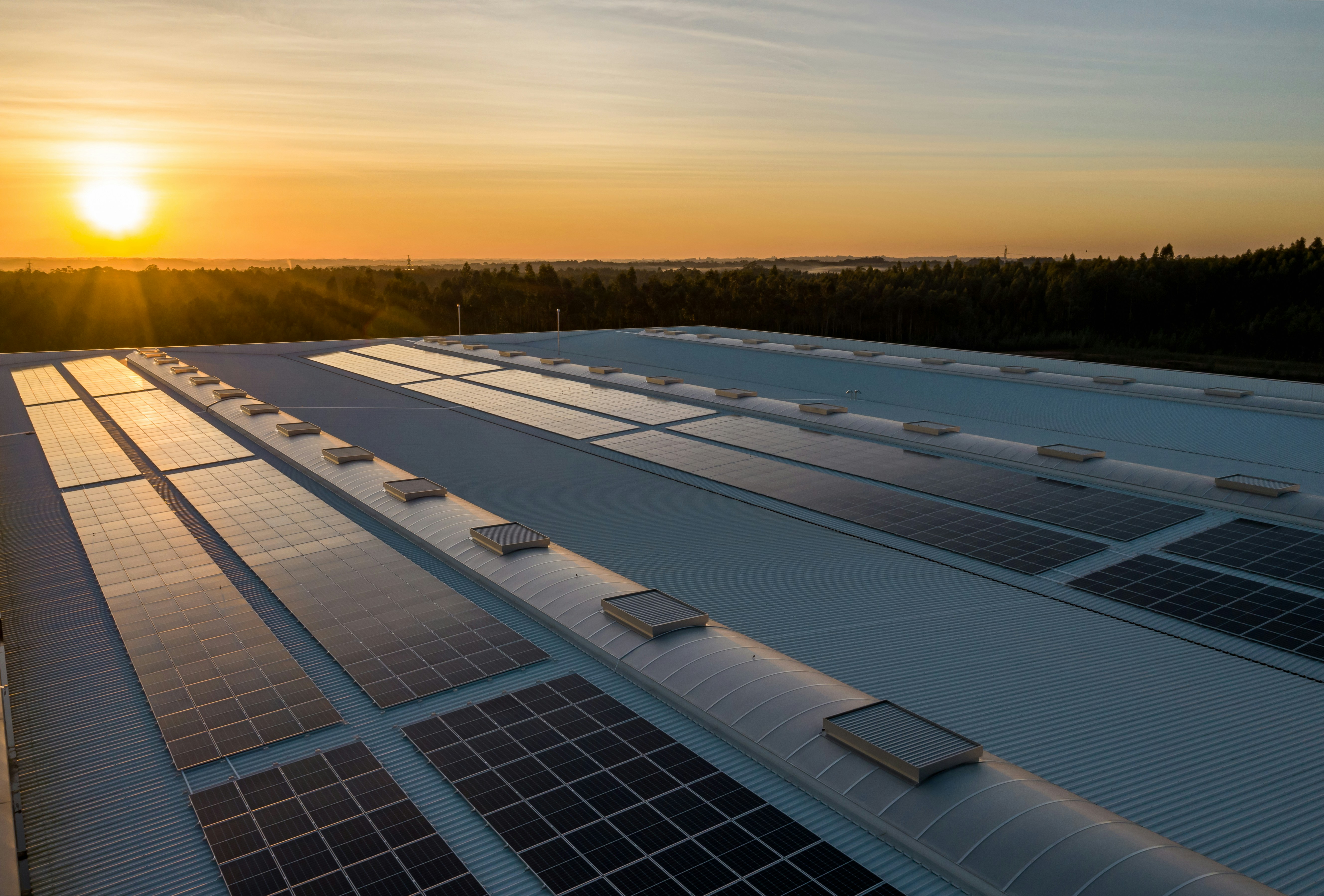
Image source: Unsplash - Renewable energy system
How Battery Grid-Tie Systems Work
Unlike standard inverters, battery-based grid-tie systems combine three crucial functions:
- Energy Conversion: Transforms DC solar power to AC household current
- Intelligent Storage: Charges batteries during production surplus
- Grid Interaction: Seamlessly switches between grid/battery/solar sources
Modern systems like Highjoule's GridSynergy series use predictive algorithms that analyze weather patterns and electricity tariffs. During Germany's cloudy mornings or California's peak-rate evenings between 4-9 PM, these inverters automatically discharge stored power, reducing grid dependence by up to 80% according to EU energy reports.
Core Technical Advantages
| Feature | Standard Inverter | Battery Grid-Tie Inverter |
|---|---|---|
| Backup Power | None | 4-24 hours (configurable) |
| Peak Shaving | Not possible | Automatic load management |
| ROI Period | 7-10 years | 4-6 years with tariff optimization |
European Case Study: Germany's Solar Revolution
Let's examine real-world performance in Bavaria where solar provides 15% of annual electricity. The Schmidt residence installed a 10kW solar + 20kWh battery system with grid-tie inverter during Germany's 2022 energy crisis. The results?
- Self-consumption increased from 35% → 89%
- Grid imports reduced by 73% despite 30% winter sunlight reduction
- €2,300 annual savings through EEG tariff optimization
"Our inverter becomes an energy trader," explains homeowner Klaus Schmidt. "It sells surplus at premium noon rates and buys back cheaper overnight power for battery charging."
US Implementation: California's Resilience Model
California's PSPS blackouts created a laboratory for battery grid-tie solutions. The 2023 CPUC report showed San Diego households with these systems experienced:
- Zero outage hours during planned blackouts versus 58 average hours
- 42% smaller utility bills despite 30% electricity rate hikes
- 8.2 year system payback with SGIP rebates

Image source: Unsplash - California home energy system
Highjoule's Smart Energy Solutions
At Highjoule Technologies, we've engineered the GridSynergy Pro series specifically for transatlantic energy challenges. Our dual-mode inverters operate as:
- Grid-Assist Mode: Prioritizes solar self-consumption while maintaining grid connection
- Island Mode: Automatically creates microgrids during outages (0.5 second transition)
What sets our technology apart? The patented Adaptive Frequency Response system. When German grids hit 50.2Hz or US grids dip below 59.8Hz, our inverters instantly adjust charge/discharge cycles to stabilize frequency – a feature now mandated in EU's Network Code Requirements.
Industrial Applications
Our commercial-scale GridSynergy Max installations at UK manufacturing plants demonstrate:
- Peak demand reduction of 40-65%
- UPS-grade backup for critical processes
- Dynamic participation in grid-balancing markets
Economics of Smart Energy Storage
Let's break down the financials with actual 2024 data:
| Component | Residential (10kW) | Commercial (100kW) |
|---|---|---|
| System Cost | €18,000 (with VAT) | €140,000 |
| Annual Savings | €2,100-€2,800 | €22,000-€35,000 |
| Grid Service Revenue | €300-€500 | €4,000-€7,000 |
The secret sauce? Our EnergyOS software continuously analyzes 14 price signals from wholesale markets to dynamic tariffs, automatically choosing the optimal energy flow path every 5 minutes.
What About Your Energy Future?
Imagine opening your energy app tomorrow to see your system earned €15 during peak pricing while powering your home through a grid outage. How much grid dependence could your household eliminate with the right battery-based grid-tie solution? What unique energy challenges could this technology solve in your community?
Related Contents

Demystifying Solar Energy Storage Cabinet Off-Grid Price: Your Path to Energy Independence
a rugged, self-contained unit sitting quietly beside your home or business. Inside, batteries securely store the abundant energy captured by your solar panels during the day. When the sun sets, or the grid fails (a growing concern in many regions!), this cabinet seamlessly powers your essential loads. That's the core of an off-grid solar energy storage cabinet – your personal energy fortress. Unlike grid-tied systems, it operates independently, making it vital for remote cabins, critical infrastructure backup, or anyone seeking true energy autonomy. But what determines that all-important solar energy storage cabinet off grid price? Let's peel back the layers.

2.5 kVA Energy Storage Cabinet Battery: Your Key to Energy Independence
It's a stormy evening in Munich, and suddenly your lights flicker. Or imagine peak summer in California when electricity rates triple during "critical hours." These aren't hypothetical scenarios - they're daily realities for millions across Europe and North America. Our grids are straining under climate change pressures and shifting energy demands, creating three pain points:
 Inquiry
 Online Chat