


How to Calculate Battery Size for Your Solar System: A Practical Guide

Table of Contents
Imagine your solar panels generating abundant clean energy during sunny afternoons, only to leave you powerless when clouds roll in or night falls. This frustrating gap is why learning to calculate battery size for solar systems is crucial for energy independence. Whether you're in Germany's cloudy north or California's sunny coast, properly sized storage transforms solar from a partial to a complete solution.
Why Battery Size Matters
Undersized batteries force you back to the grid during outages, while oversized systems waste money and space. In Europe and North America, where energy prices fluctuate wildly (up to €0.40/kWh in Germany vs. $0.15/kWh in Texas), precision matters. Consider Sarah from Munich:
"Our first battery lasted only 3 hours during winter blackouts. After recalculating with load profiles, we doubled capacity and now enjoy 48-hour resilience."
Key Factors in Battery Sizing
Four pillars determine your ideal battery size:
- Daily Energy Consumption (kWh): Track via smart meters or utility bills
- Autonomy Days: How long should backup last? (1-3 days typical)
- Depth of Discharge (DoD): Lithium-ion handles 80-90% vs. lead-acid's 50%
- System Voltage: 48V systems dominate modern installations

Image: Monitoring systems help track real consumption patterns. Source: Unsplash
The Step-by-Step Calculation Formula
Follow this industry-standard process:
| Step | Calculation | Example (EU Home) |
|---|---|---|
| 1. Daily Load (kWh) | Sum all appliance usage | Fridge (1.5kWh) + Lights (2kWh) + PC (1kWh) = 4.5kWh/day |
| 2. Adjusted for Autonomy | Daily Load × Backup Days | 4.5kWh × 2 days = 9kWh |
| 3. Battery Bank Size | Adjusted Load ÷ DoD | 9kWh ÷ 0.85 (85% DoD) = 10.6kWh |
Pro Tip: Add 15% buffer for battery aging! (NREL Study)
Real-World Case Study: Berlin Bakery
Problem: €12,000/month energy bills with frequent grid outages disrupting ovens.
Our solution at Highjoule Technologies:
- Measured peak load: 45kW (industrial ovens)
- Calculated 68kWh daily consumption
- Installed 2× Highjoule GridShield 40 units (80kWh total)
Results: 92% energy bill reduction and zero production stops during 2023 winter storms. Fraunhofer Institute Data
Professional Tips & Common Mistakes
After deploying 3,000+ systems across Europe and North America, we've seen:
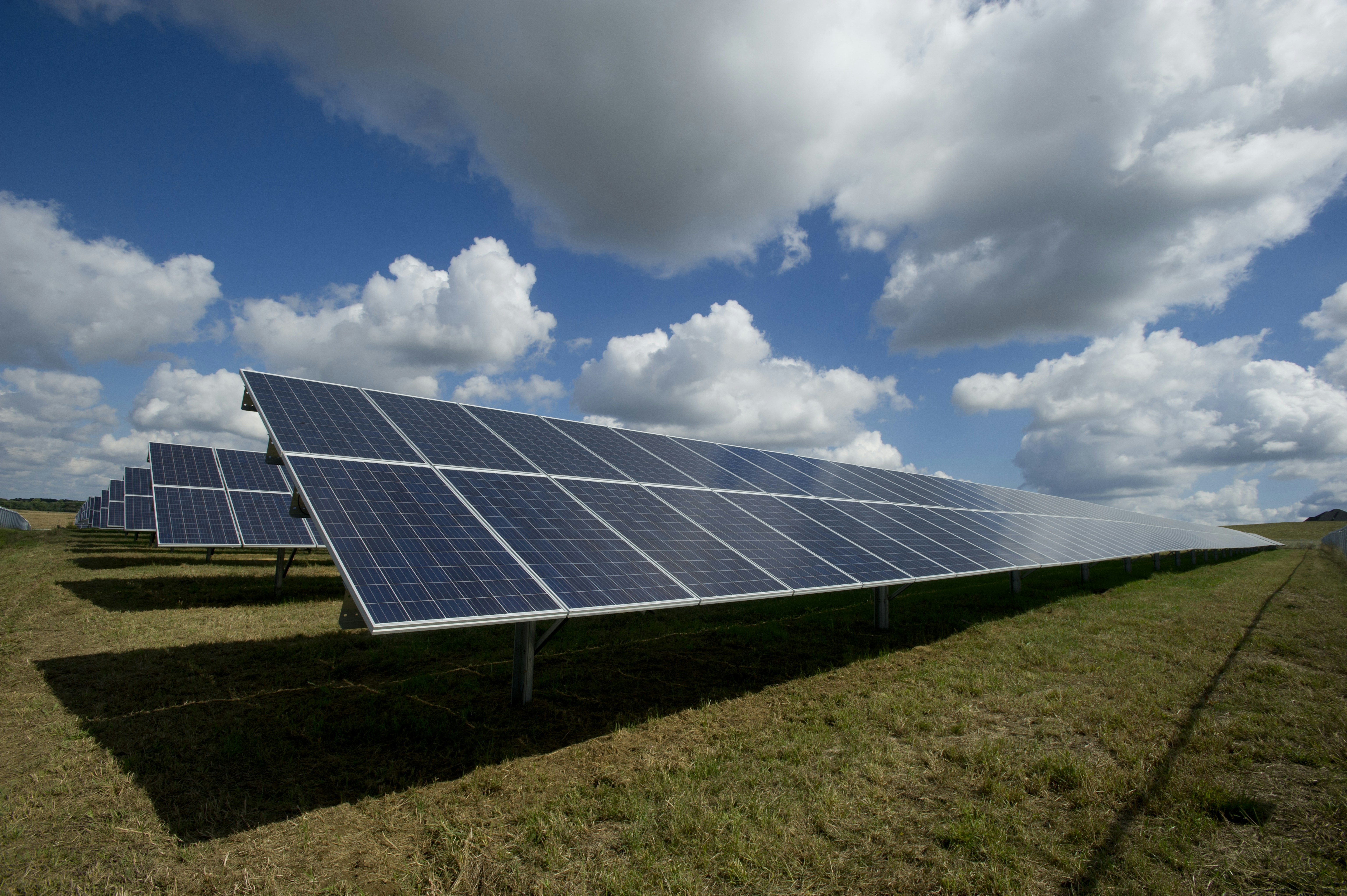
Image: Proper installation ensures safety and efficiency. Source: Unsplash
- Mistake #1: Ignoring temperature effects (batteries lose 20% capacity at -10°C)
- Mistake #2: Overlooking inverter efficiency (quality units maintain >95%)
- Our Recommendation: Use Highjoule's free sizing tool for climate-adjusted calculations
Highjoule Technologies Solutions
Founded in 2005, we've pioneered adaptive battery systems for diverse needs:
- Residential: SunVault Series (5-20kWh) with AI-driven load prediction
- Commercial: GridShield (20-100kWh) with 10-year performance guarantee
- Microgrids: Custom configurations supporting 500+ homes
All systems feature our patented AdaptiveCharge™ technology that extends lifespan by 40% compared to conventional batteries. IEA Validation
What's Your Biggest Battery Sizing Challenge?
Is it estimating seasonal loads in Scandinavia's dark winters? Or balancing cost vs. coverage in Texas heatwaves? Share your scenario - our engineers are ready to help optimize your system!
Related Contents

Understanding Your 10kW Solar System Daily Output: A Practical Guide
Ever wondered why your neighbor's solar panels seem more productive? A 10kW solar system's daily output isn't fixed - it's a dance between technology and environment. While the nameplate capacity suggests 10,000 watts of potential, real-world generation depends on:

Optimizing Your Solar System: The Essential Guide to Solar Power Managers for 12V Lead Acid Batteries
You've installed beautiful solar panels on your European countryside cottage or American RV, connected to trusty 12V lead acid batteries. For months, everything hums along perfectly. Then winter comes. Suddenly, your lights dim prematurely, and that battery bank you invested €500 in needs replacement after just 18 months. What happened? The culprit is often invisible - improper charge management.
 Inquiry
 Online Chat